


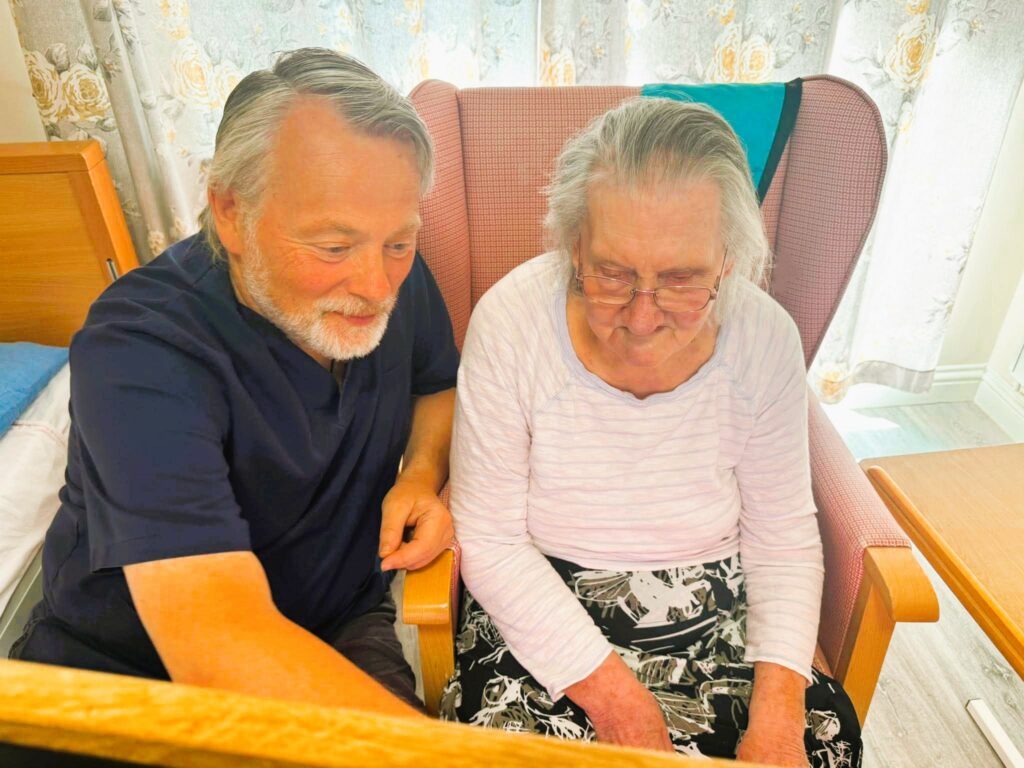
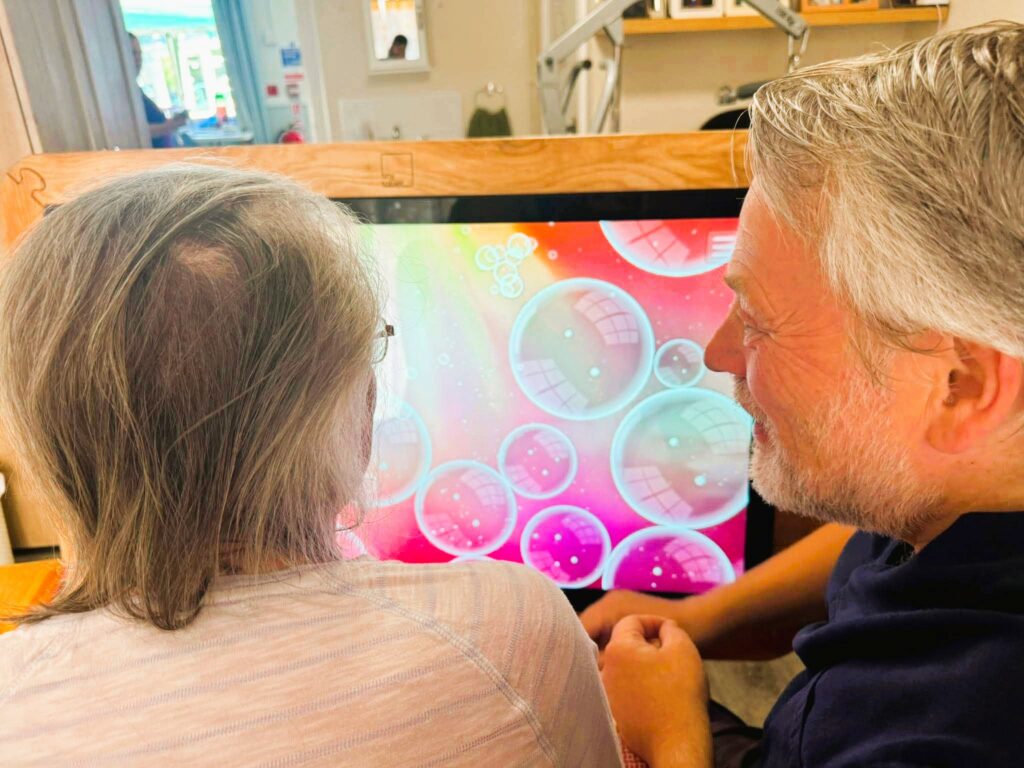
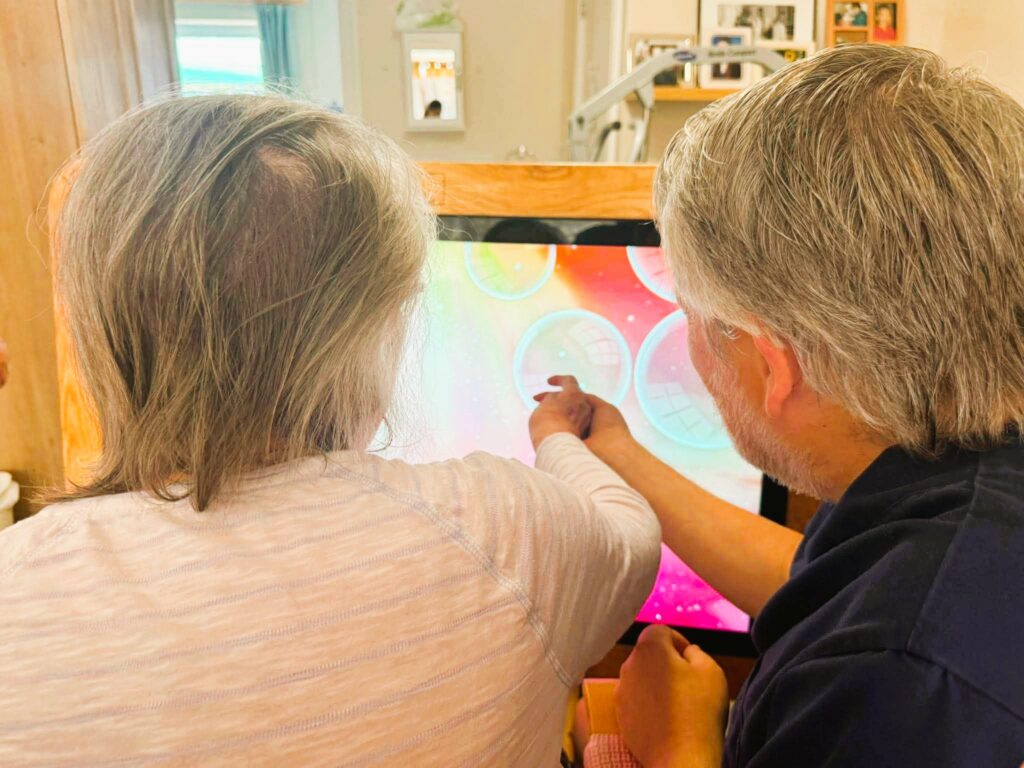
In dementia care, it is often the smallest moments that make the biggest difference. While group activities have an important place in care settings, one to one sessions offer a unique opportunity to focus entirely on an individual’s interests, abilities and emotional wellbeing. One simple but highly effective resource for these sessions is the Tiny Table.
A Tiny Table is a compact activity tray that brings together meaningful objects, sensory items and engaging tasks within easy reach. It creates a calm, welcoming space where residents can explore, reminisce and connect at their own pace. Whether used in a bedroom, lounge or quiet area, it encourages interaction without overwhelming the individual.
Why 1:1 Sessions Matter
Every person living with dementia has their own life story, preferences and way of communicating. One to one sessions allow care staff to tailor activities to each resident, helping them feel valued and understood.
Some of the key benefits include:
- Building trust and relationships by giving residents dedicated time and attention.
- Reducing anxiety and distress through calm, personalised engagement.
- Encouraging communication, whether through conversation, facial expressions, gestures or shared experiences.
- Promoting independence by allowing residents to engage with activities at their own pace.
- Supporting emotional wellbeing by focusing on positive memories and meaningful occupations.
How the Tiny Table Can Be Used
The Tiny Table can be adapted to suit each person’s interests and stage of dementia. Activities might include:
- Looking through family photographs or memory books.
- Sorting everyday household items.
- Exploring textured fabrics and sensory objects.
- Completing simple puzzles or matching games.
- Gardening activities such as planting seeds or arranging flowers.
- Arts and crafts.
- Music sessions with familiar songs or instruments.
- Folding towels or handling familiar domestic items that provide a sense of purpose.
The flexibility of the Tiny Table means it can evolve with the resident’s changing needs, ensuring activities remain enjoyable and achievable.
Supporting Person Centred Care
Using the Tiny Table during one to one sessions reflects the principles of person centred care. Rather than expecting residents to fit into a planned activity, the activity is adapted around the individual. This approach respects personal choice, life history and remaining abilities while promoting dignity and inclusion.
During these sessions, care staff can observe preferences, identify triggers for anxiety, celebrate strengths and discover new ways to communicate. These valuable insights can then be shared with the wider care team to enhance everyday care.
Creating Meaningful Moments
Success is not measured by completing an activity, but by the experience it creates. A smile while listening to a favourite song, the comfort of holding a familiar object or the laughter shared during a conversation are all meaningful outcomes.
The Tiny Table encourages these moments by providing accessible, engaging activities that support connection and wellbeing. In a busy care environment, taking time for a personalised one to one session can have a lasting impact on a resident’s confidence, mood and quality of life.
By embracing simple, meaningful interactions through the Tiny Table, care teams can continue to enrich the lives of people living with dementia, one conversation and one shared moment at a time.