


Hot weather can affect anyone, but older people are more at risk of becoming unwell during heatwaves. As we get older, our bodies may not adjust to changes in temperature as easily. Some health conditions and medicines can also make it harder to stay cool or notice when we are becoming dehydrated.
Taking a few simple steps can help reduce the risk of heat exhaustion, dehydration and heatstroke.
Keep your home as cool as possible
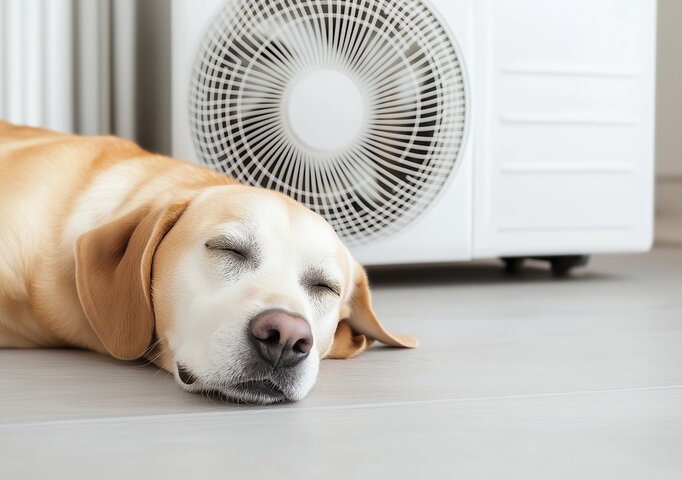
During the hottest part of the day, close curtains or blinds in rooms that face the sun. If it is hotter outside than inside, keep windows closed until the temperature drops. Open windows in the early morning or evening when the air is cooler.
Try to stay in the coolest room in the home. Fans can help, especially when used safely and placed where they can move air around the room. Avoid sitting in direct sunlight through windows, as this can quickly make you overheat.
Drink plenty of fluids
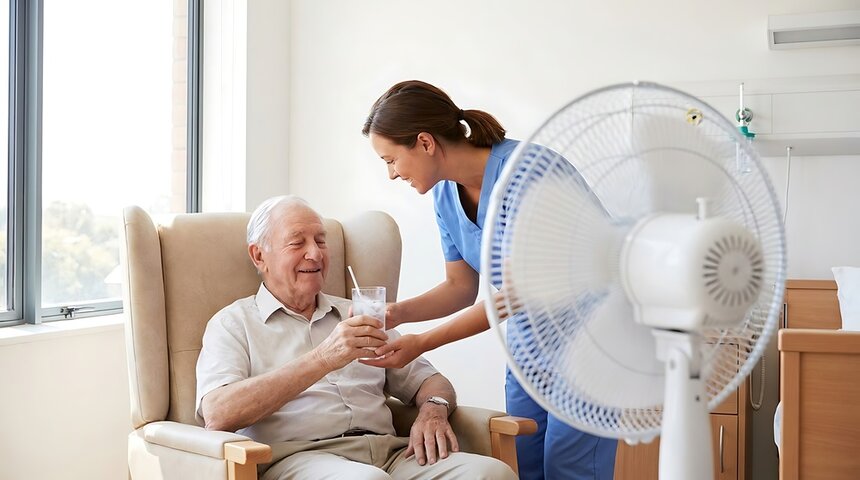
It is important to drink regularly, even if you do not feel thirsty. Water, diluted squash and fruit juice are good options. Try to avoid drinking too much alcohol, caffeine or very hot drinks, as these can make dehydration more likely.
If you have been advised by a doctor to limit your fluid intake, follow your medical advice and ask your GP, pharmacist or NHS 111 if you are unsure what is safe for you.
Avoid the hottest part of the day
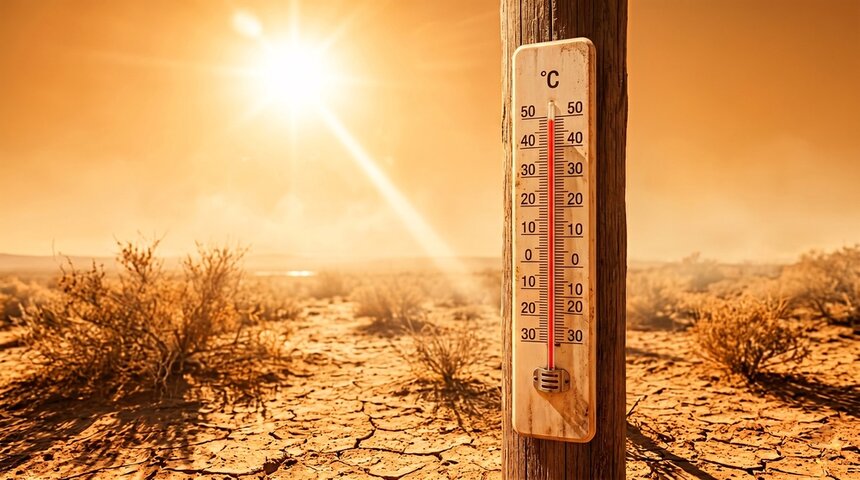
The sun is usually strongest between 11am and 3pm. During this time, try to stay indoors or in the shade. If you need to go out, wear loose, light clothing, a wide-brimmed hat and sunglasses. Use sunscreen and take water with you.
Plan essential trips, gardening, walking the dog or other activities for the morning or evening when it is cooler.
Cool your body down

Simple cooling methods can make a big difference. Try having a cool shower, placing a damp cloth on your neck or wrists, or putting your feet in cool water. Wearing loose cotton clothing can also help your body stay cooler.
Cold meals such as salads, sandwiches, fruit and yoghurt can be easier to manage than hot meals during very warm weather.
Look out for signs of heat-related illness
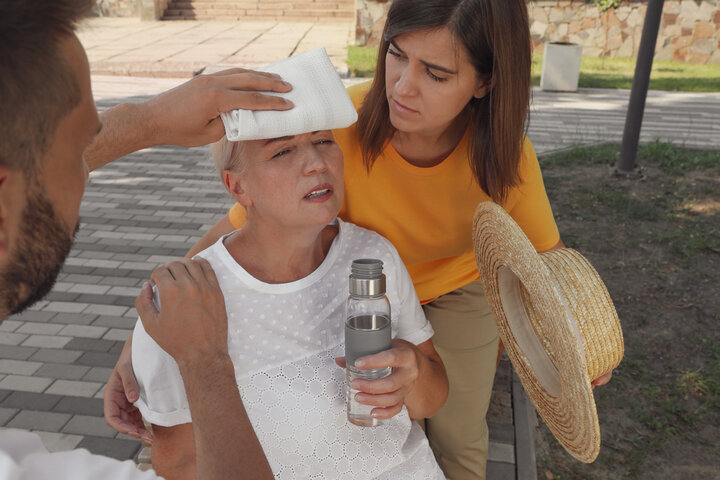
Heat exhaustion can come on quickly. Warning signs may include:
- Feeling dizzy or faint
- Headache
- Tiredness or weakness
- Heavy sweating
- Feeling sick or being sick
- Muscle cramps
- Fast breathing or a increased heartrate
- Feeling very Thirsty
If someone shows these signs, move them to a cool place, help them drink fluids, loosen tight clothing and cool their skin with water or a damp cloth.
Heatstroke is a medical emergency. Call 999 if someone is confused, very drowsy, has a seizure, loses consciousness, or feels hot but is not sweating.
Check on others
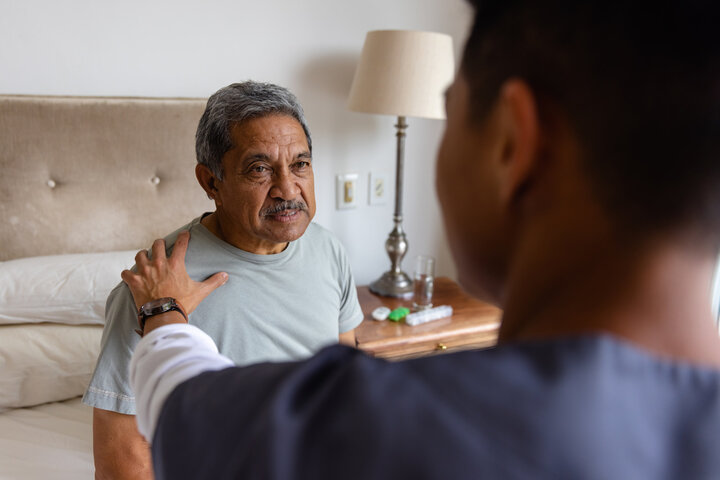
Older people who live alone, people with long-term health conditions, and those who find it harder to move around may need extra support during hot weather. A quick phone call or visit can help make sure they have enough drinks, food, medication and a cool place to rest.
Carers, family members and neighbours can also help by checking that curtains are closed during the day, windows are opened at cooler times, and the person knows who to contact if they feel unwell.
Keep medicines and appointments in mind

Some medicines can be affected by heat or may change how the body responds to hot weather. Store medicines as directed on the label, and speak to a pharmacist if you are unsure.
Do not stop taking prescribed medication unless a doctor tells you to. If hot weather is making a health condition worse, contact your GP, pharmacist or NHS 111 for advice.
Be prepared
Check the weather forecast and heat-health alerts during periods of hot weather. Make sure you have enough food, drinks and any regular medication at home. Keep important phone numbers nearby, including family, neighbours, carers, GP surgery, pharmacy and NHS 111.
By planning ahead and taking sensible precautions, older people can stay safer, cooler and more comfortable during hot weather and heatwaves.