


Staying active plays an important role in maintaining health, confidence, and independence as we age. Exercise does not need to be strenuous to be effective. Gentle, regular movement can make a meaningful difference to both physical and emotional wellbeing.
Why exercise matters
Regular activity helps to:
- Maintain strength and mobility, supporting everyday tasks such as walking, standing, and dressing
- Improve balance and coordination, reducing the risk of falls
- Support heart health and circulation
- Ease stiffness and joint discomfort
- Boost mood, confidence, and overall quality of life
Exercise is also closely linked to cognitive wellbeing. Movement can help reduce anxiety, promote better sleep, and provide a sense of routine and purpose, particularly for people living with dementia.
Exercise in a supportive environment
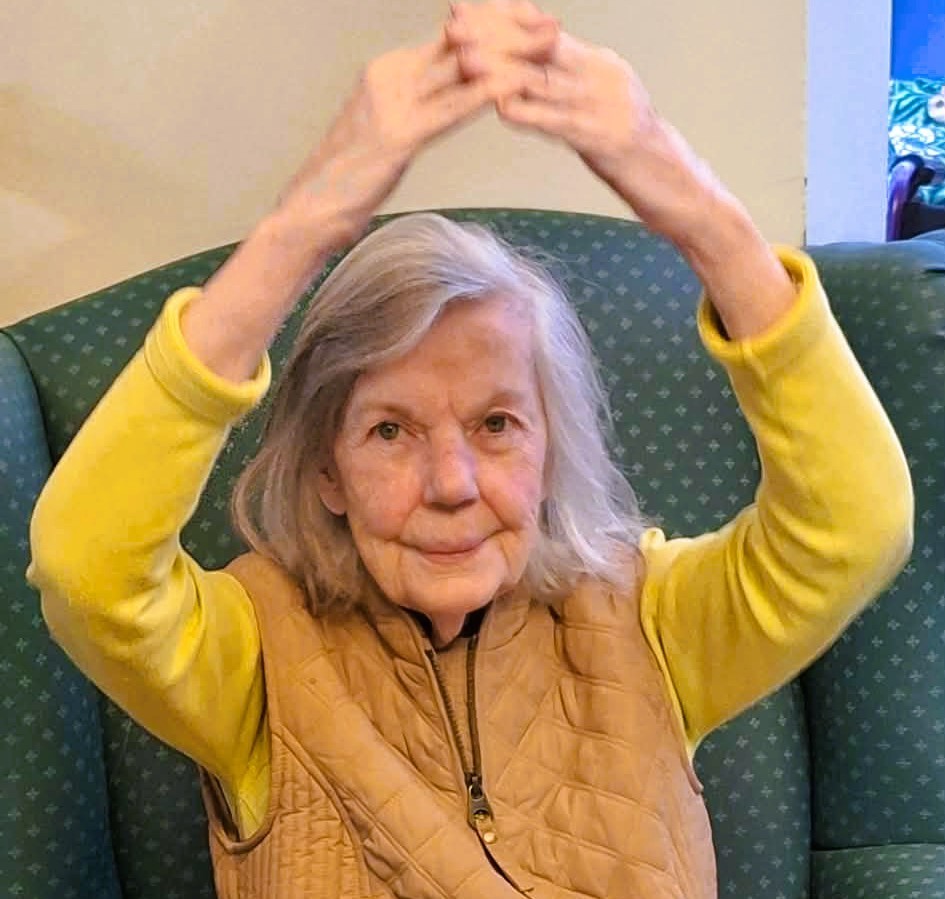
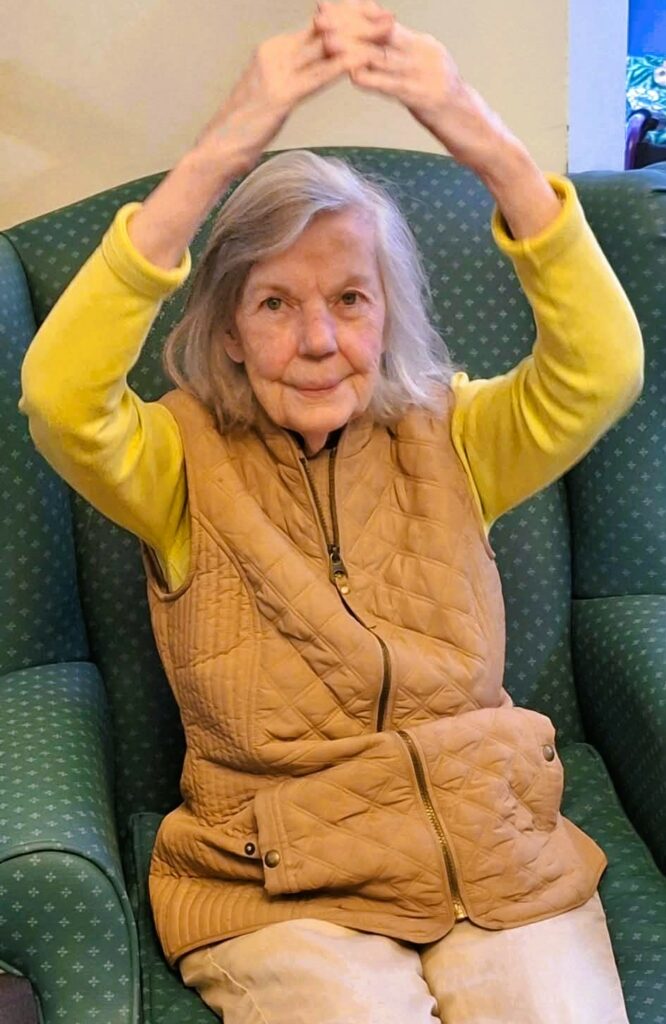
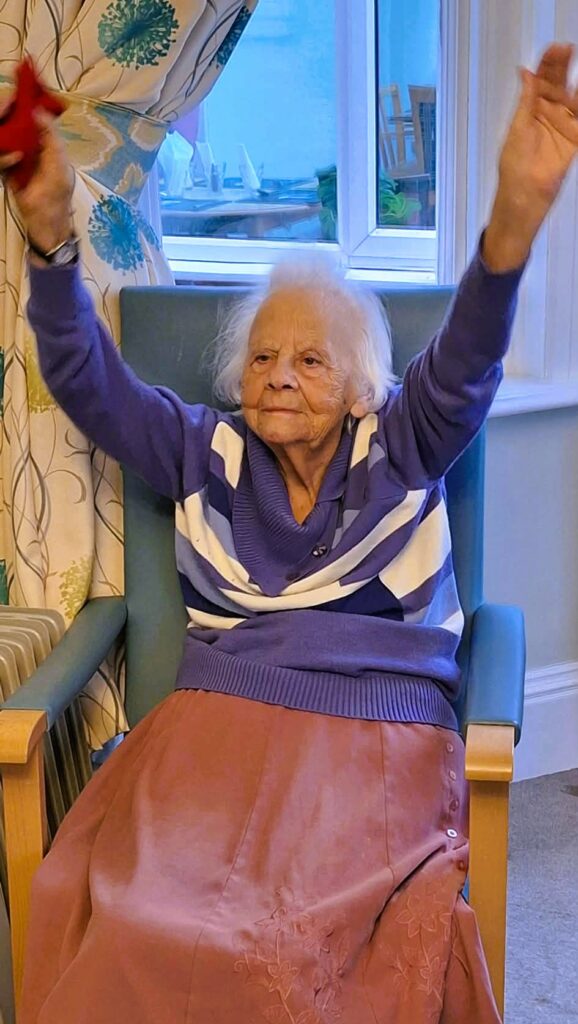
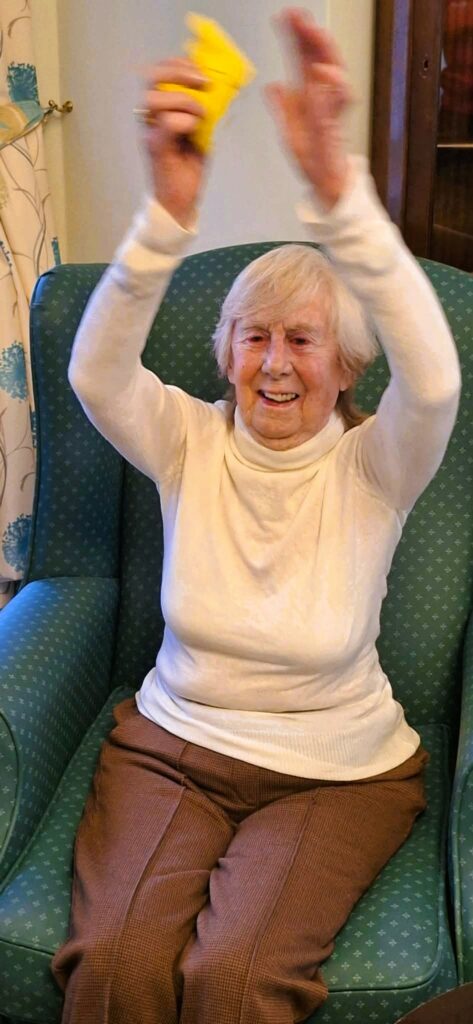
In a care home setting, exercise is carefully adapted to each individual’s abilities and preferences. Activities may include seated exercises, gentle stretching, guided movement to music, or light strength work using safe equipment. The focus is always on encouragement, comfort, and enjoyment rather than performance.
Group sessions also offer valuable social benefits. Exercising together encourages connection, shared laughter, and a sense of community, all of which are just as important as the physical benefits.
A person centred approach
Every resident is different, so exercise should never be one size fits all. Personal history, mobility levels, and health needs are always considered. Whether someone prefers a calm one to one session or enjoys the energy of a group activity, the aim is to support dignity, choice, and confidence.
Gentle movement, carried out safely and consistently, helps residents continue doing the things they enjoy and maintain the best possible quality of life. Exercise is not about pushing limits, but about enabling comfort, independence, and wellbeing every day.