


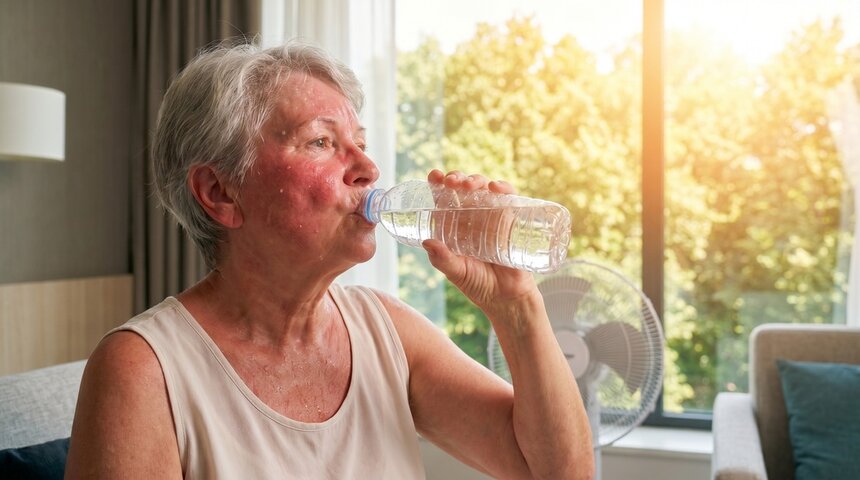
Dehydration happens when the body loses more fluid than it takes in. Although anyone can become dehydrated, babies, young children, older people and individuals with long-term health conditions may be particularly vulnerable.
Recognising the early warning signs is important because dehydration can become serious when it is not addressed promptly.
Common Signs of Dehydration
One of the clearest signs of dehydration is a change in urine. A well-hydrated person will usually pass pale yellow urine. Dark yellow, strong-smelling urine or passing urine less frequently than usual may indicate that the person needs more fluids.
Other common signs include:
- Feeling thirsty
- A dry mouth, lips or tongue
- Headaches
- Feeling tired or weak
- Dizziness or light-headedness
- Sunken-looking eyes
- Dry skin
- Difficulty concentrating
The NHS advises that most people should drink enough throughout the day for their urine to remain a clear, pale yellow colour.
Signs in Older People
Older people may not always feel thirsty, even when their body needs more fluid. This means carers should not rely on thirst alone as an indication of dehydration.
In addition to the usual symptoms, an older person may become:
- Confused or disorientated
- Unusually sleepy
- Irritable or restless
- Unsteady when walking
- Less alert or responsive
- Constipated
A sudden change in behaviour or mental awareness should never be dismissed as a normal part of ageing. Confusion, drowsiness and dizziness may be signs of dehydration, although they can also be caused by other medical conditions.
Signs in Babies and Young Children
Babies and young children can become dehydrated quickly. Signs may include:
- Fewer wet nappies than usual
- Few or no tears when crying
- A dry mouth
- Sunken eyes
- A sunken soft spot on the top of a baby’s head
- Irritability
- Unusual drowsiness
- Poor feeding
A baby or young child who is difficult to wake, is not feeding normally or has noticeably drier nappies should receive medical advice promptly.
What Can Cause Dehydration?
Dehydration may occur when a person is not drinking enough, but it can also result from:
- Vomiting or diarrhoea
- A high temperature
- Excessive sweating
- Hot weather
- Prolonged physical activity
- Difficulty swallowing
- Forgetfulness or confusion
- Reduced mobility
- Certain medicines
- Health conditions that increase urine output
People who are unwell with vomiting or diarrhoea should take frequent small sips of fluid to replace what has been lost.
How to Help Someone Who May Be Dehydrated
Encourage the person to drink small amounts regularly rather than expecting them to drink a large amount at once. Water is a good choice, but other fluids such as milk, diluted squash, soup and appropriate hot drinks can also contribute to hydration.
Practical ways to encourage drinking include:
- Keeping drinks within easy reach
- Offering drinks regularly throughout the day
- Providing a preferred cup or glass
- Offering a choice of drinks
- Serving foods with a high water content, such as fruit, yoghurt, jelly or soup
- Recording fluid intake when this is part of the person’s care plan
- Checking urine colour and frequency where appropriate
People with heart failure, kidney disease or a prescribed fluid restriction should follow the advice of their GP or healthcare professional rather than increasing fluids without guidance.
When to Seek Medical Help
Contact NHS 111 for advice when a person shows concerning signs of dehydration, cannot keep fluids down, is becoming increasingly unwell or is not improving despite drinking fluids.
Urgent medical attention may be needed if the person:
- Is very confused or unusually drowsy
- Is difficult to wake
- Has not passed urine for a prolonged period
- Is breathing quickly
- Has a very fast heartbeat
- Faints or collapses
- Has a seizure
- Is severely unwell or deteriorating rapidly
Call 999 when there appears to be a life-threatening emergency. NHS 111 can provide advice when it is unclear which service is needed.
Preventing Dehydration
Prevention is often easier than treatment. Offer drinks regularly, especially during hot weather, illness or periods of increased activity. Pay closer attention to people who cannot independently ask for a drink, reach their drink or explain that they are thirsty.
Spotting small changes early, such as darker urine, dry lips or increased tiredness, can prevent dehydration from developing into a more serious health concern.